
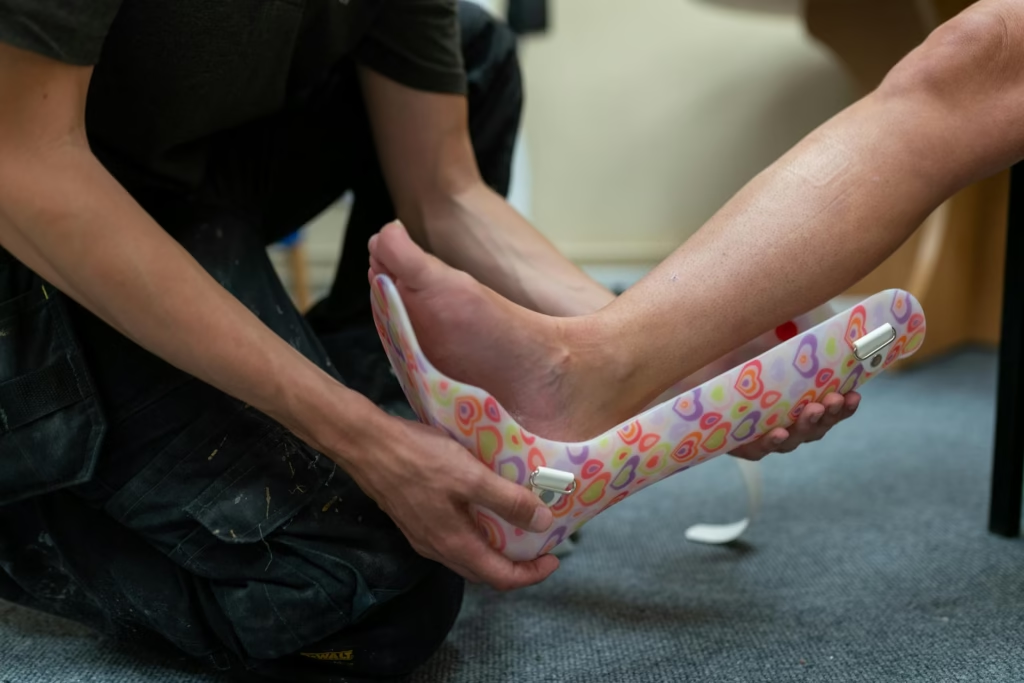
If you’re dealing with osteoarthritis pain that makes every step feel like a challenge, you’re not alone. About 10% of Filipinos experience arthritis symptoms, and the pain can be relentless. But here’s the thing: shoe inserts for osteoarthritis can make a real difference—reducing pressure on painful joints, stabilizing your feet, and giving you back mobility you thought you’d lost.
Real talk: the right inserts won’t cure osteoarthritis, but they work like a support system for your feet and joints. They redistribute weight away from damaged cartilage, cushion impacts, and improve how your foot strikes the ground. This article breaks down exactly how shoe inserts for osteoarthritis work, which types help most, and how to find ones that actually fit your needs.
Table of Contents
- What Is Osteoarthritis and How Does It Affect Your Feet?
- How Do Shoe Inserts for Osteoarthritis Actually Work?
- 7 Types of Shoe Inserts for Osteoarthritis Relief
- How to Choose the Right Shoe Inserts for Osteoarthritis
- What Benefits Can You Expect From Proper Inserts?
- Using Shoe Inserts for Osteoarthritis: Step-by-Step Guide
- Comparison of Insert Types and Their Features
- Frequently Asked Questions
- Visit Our Branches
What Is Osteoarthritis and How Does It Affect Your Feet?
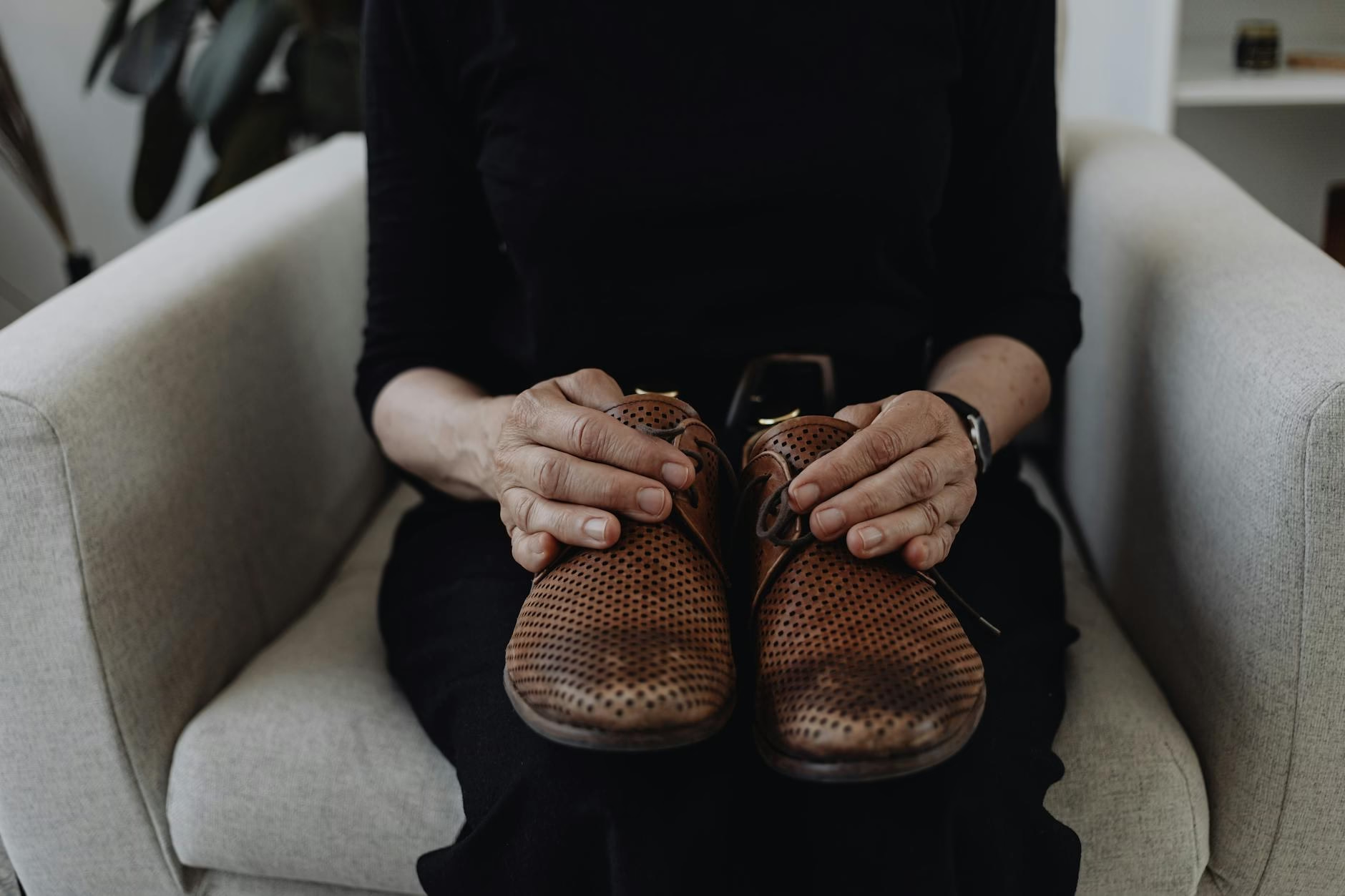
Osteoarthritis happens when the cartilage cushioning your joints gradually wears down. Over time, bone rubs against bone, causing pain, stiffness, and reduced movement. In the feet—especially the big toe joint, midfoot, and ankle—osteoarthritis creates a cascading problem: pain changes how you walk, which puts pressure on other joints upward through your knees, hips, and back.
According to the World Health Organization (WHO), over 300 million people worldwide suffer from osteoarthritis, making it one of the most common joint disorders. And it’s progressive: the longer you walk with unmanaged pain, the more you favor one leg, creating imbalances that worsen the condition.
Osteoarthritis in the feet directly affects gait mechanics. When foot joints are painful, patients unconsciously shift weight unevenly, triggering secondary pain in knees and hips. Proper insole support prevents this cascade.
Journal of Foot and Ankle Research, 2024
The key insight: your feet are the foundation of your entire kinetic chain. Neglecting foot pain doesn’t keep it localized—it spreads. That’s why shoe inserts for osteoarthritis address the root cause, not just mask symptoms.
How Do Shoe Inserts for Osteoarthritis Actually Work?
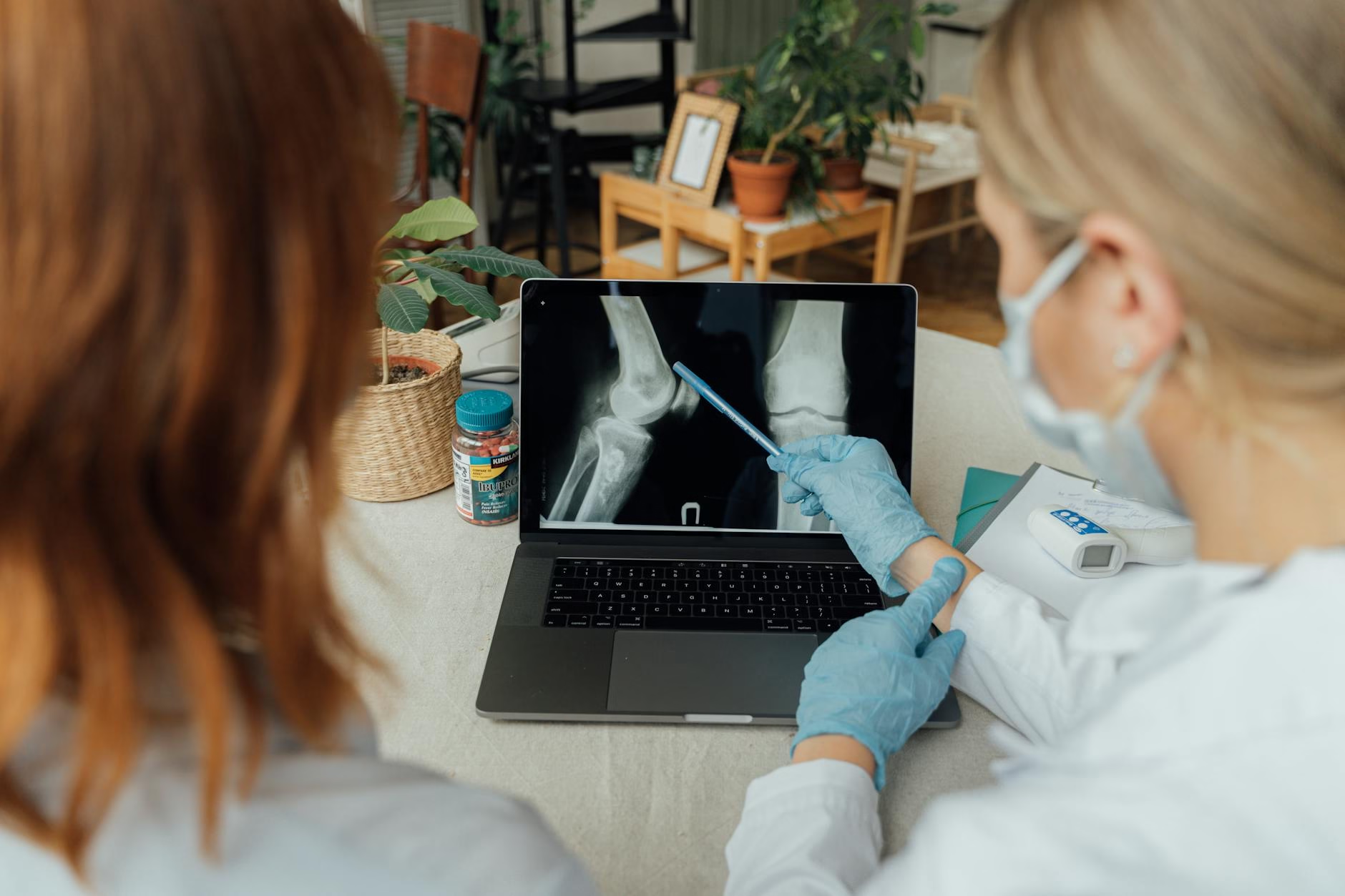
Shoe inserts for osteoarthritis work through three main mechanisms: pressure redistribution, shock absorption, and alignment correction. When you walk, your foot strikes the ground with force roughly 1.2 times your body weight per step. Painful joints take the brunt of this impact.
Quality inserts cushion that impact, spreading force across a wider area. Instead of the arthritic joint absorbing full load, the insert distributes stress more evenly. Additionally, structured arch support realigns your foot, reducing compensatory stress on damaged cartilage.
Think of it like this: an arthritic toe joint is like a hinge that’s worn thin. Normal walking intensifies friction. A supportive insert prevents excessive joint motion and reduces friction—less grinding, less pain. Studies show that properly fitted orthotic inserts reduce pain perception by up to 40% within the first two weeks of consistent use.
But timing matters. The earlier you address osteoarthritis pain with proper support, the better. Early intervention slows joint deterioration and prevents walking pattern changes that create secondary pain elsewhere.
7 Types of Shoe Inserts for Osteoarthritis Relief
Not all inserts work equally. Here are the seven main types proven effective for osteoarthritis pain:
1. Custom Orthotic Inserts
These are individually molded to your foot’s unique shape and pressure points. A podiatrist or foot specialist creates a mold of your foot, then manufactures an insert that matches your biomechanics exactly. Custom inserts cost more—typically ₱3,500–₱8,000 in the Philippines—but deliver the highest pain relief because they’re tailored specifically for your condition.
For osteoarthritis, custom inserts can target painful joints directly, adding extra cushioning exactly where you need it. They’re the gold standard if your case is severe.
2. Arch Support Inserts
These focus specifically on supporting the arch of your foot. Osteoarthritis affecting the midfoot benefits most from arch support, which prevents excessive arch collapse during walking. This reduces abnormal joint motion that worsens pain. Learn more about proper arch support and its importance for foot health.
Arch support inserts are affordable (₱500–₱1,500) and address one of the most common osteoarthritis locations. They’re a smart first choice if you haven’t yet tried inserts.
3. Cushioned Gel Inserts
Gel and foam-based inserts absorb shock effectively. They’re softer than other types and work well if your primary complaint is pain from impact. When you step, gel compresses and dissipates energy that would otherwise transmit to arthritic joints.
These cost ₱800–₱2,500, are easy to find, and don’t require custom fitting. They’re great for immediate relief, though they may compress over time and lose effectiveness within 6–12 months.
4. Rigid Orthotic Inserts
Made from materials like polypropylene or graphite, rigid inserts provide maximum stability and joint control. They don’t compress, so they maintain effectiveness long-term. For osteoarthritis in the big toe joint or midfoot, rigid inserts prevent the excessive motion that triggers pain.
The tradeoff: they’re firmer and require a 1–2 week adjustment period. They’re ideal for moderate to severe osteoarthritis and cost ₱1,500–₱5,000.
5. Metatarsal Pads
These small, raised pads sit just behind your metatarsal heads (the ball of your foot). They’re especially useful for osteoarthritis affecting the big toe joint or lesser toe joints. Metatarsal pads shift pressure away from painful joints and reduce the amount of bending those joints experience with each step.
Often combined with arch supports, metatarsal pads cost ₱300–₱1,000. They’re a targeted solution for localized forefoot osteoarthritis.
6. Heel Cups
If your osteoarthritis affects the heel area, heel cups provide targeted cushioning and stability. They reduce impact shock at heel strike—often the most painful moment in the walking cycle for people with ankle or heel osteoarthritis.
Heel cups are budget-friendly (₱200–₱800) and can be worn in almost any shoe. They address pain without major adjustments to your footwear or walking routine.
7. Combination Inserts (Hybrid Support)
The most advanced option combines arch support, metatarsal pads, heel cups, and gel cushioning in one insert. These address osteoarthritis holistically—cushioning at impact, supporting the arch, and controlling joint motion. They’re more expensive (₱2,000–₱6,000) but deliver comprehensive relief when multiple foot joints are affected.
Many people find combination inserts reduce pain fastest because they tackle multiple pain sources simultaneously.
How to Choose the Right Shoe Inserts for Osteoarthritis
Choosing works best when you match the insert type to your specific pain location and severity. Here’s a practical framework:
Step 1: Identify Your Pain Spots — Where exactly does it hurt? Big toe joint? Heel? Midfoot? Ankle? This pinpoints which insert type suits you. Osteoarthritis in different foot locations needs different support strategies.
Step 2: Assess Severity — Do you have mild soreness or severe, limiting pain? Mild cases often respond to gel inserts or arch support. Severe cases typically need custom or rigid inserts for maximum joint control.
Step 3: Consider Your Activity Level — Are you standing all day, walking frequently, or mostly sedentary? High-activity people need inserts with durability and consistent support. Custom or rigid options last longer than gel.
Step 4: Test Affordability First — Start with affordable options (₱500–₱1,500). If they help but don’t fully resolve pain, upgrade to custom or hybrid inserts. No need to invest heavily upfront if a simpler solution works.
Step 5: Get Professional Fitting — Ideally, a podiatrist or foot specialist evaluates your gait, pressure distribution, and pain points. They recommend inserts backed by clinical assessment, not guesswork. At Fixifoot, we offer foot analysis to match you with the right insert type.
Step 6: Transition Gradually — Don’t wear new inserts for 8 hours on day one. Start with 2–3 hours, then increase daily. Your foot adapts to new support over 1–2 weeks. Rushing causes temporary soreness.
What Benefits Can You Expect From Proper Inserts?
When you choose the right shoe inserts for osteoarthritis, the benefits extend beyond just pain relief:
- Reduced Joint Pain — Most users report 30–50% pain reduction within 2–4 weeks. Proper support means less stress on arthritic joints.
- Improved Mobility — You’ll walk farther, stand longer, and climb stairs more easily. Pain reduction unlocks movement you’d abandoned.
- Better Walking Pattern — Inserts correct compensatory gait changes. You walk more naturally, reducing secondary pain in knees, hips, and back.
- Reduced Swelling — By controlling joint motion and impact, inserts decrease inflammation. You’ll notice less morning stiffness.
- Slower Disease Progression — Proper support prevents excessive joint motion that accelerates cartilage wear. You’re not curing osteoarthritis, but you’re slowing it.
- Better Sleep — Less pain during the day means better rest at night. Pain relief improves overall quality of life.
- Confidence and Independence — You regain confidence in daily activities. No more avoiding stairs, long walks, or social outings because of foot pain.
These benefits accumulate. Week one brings pain relief. By week 4–6, you’re walking more, which builds strength and stability. By month 3, you’re experiencing a measurable quality-of-life improvement.
Using Shoe Inserts for Osteoarthritis: Step-by-Step Guide
Proper usage maximizes the benefit of your shoe inserts for osteoarthritis. Follow this process:
- Transfer to Your Daily Shoes — Remove the original insoles from shoes you wear most. Insert your new support inserts. Make sure they sit flat and don’t bunch or shift.
- Wear Appropriate Footwear — Your shoes should have adequate room for inserts without being tight. Tight shoes compress inserts and defeat their purpose. Consider shoes with removable insoles for easy swap-in compatibility.
- Start With Short Periods — Day 1–2, wear them for 1–2 hours. Your foot muscles and joints are adapting to new support. Wearing too long too fast causes temporary soreness.
- Gradually Increase Duration — By day 5–7, wear them 4–6 hours. By week 2, 8+ hours is comfortable. By week 3–4, wear them all day if you wish.
- Assess Pain Changes — Keep mental notes: Does pain decrease? Does it shift location? Are certain times of day better? This feedback tells you if inserts are working or if you need adjustments.
- Rotate Shoe Pairs If Possible — Wear different shoes on different days. This prevents pressure buildup from the same shoes daily and extends insert lifespan.
- Replace Worn Inserts — Gel and foam inserts compress over 6–12 months. Rigid and custom inserts last 12–24 months. When pain returns, it’s usually time to replace them.
- Monitor Joint Changes — If pain worsens after 4 weeks despite proper usage, consult a podiatrist. You may need a different insert type or professional custom fitting.
Consistency matters most. Wearing inserts sporadically won’t work. Your body adapts to support when it’s consistent—every single day, multiple hours daily.
Comparison of Insert Types and Their Features
| Insert Type | Price (PHP) | Best For | Durability | Adjustment Period | Pain Relief Timeline |
|---|---|---|---|---|---|
| Custom Orthotic | ₱3,500–₱8,000 | Severe osteoarthritis, multiple joint involvement | 12–24 months | 1–2 weeks | 1–2 weeks |
| Arch Support | ₱500–₱1,500 | Midfoot osteoarthritis, mild pain | 6–12 months | 3–5 days | 2–3 weeks |
| Gel/Foam Insert | ₱800–₱2,500 | Impact-related pain, quick relief need | 6–8 months | 1–2 days | 3–5 days |
| Rigid Orthotic | ₱1,500–₱5,000 | Moderate to severe, forefoot osteoarthritis | 12–24 months | 1–2 weeks | 2–3 weeks |
| Metatarsal Pad | ₱300–₱1,000 | Big toe joint, forefoot pain | 4–6 months | 2–3 days | 1–2 weeks |
| Heel Cup | ₱200–₱800 | Heel or ankle osteoarthritis | 6–12 months | 1 day | 1 week |
| Hybrid/Combination | ₱2,000–₱6,000 | Multiple joint involvement, comprehensive relief | 12–20 months | 1–2 weeks | 1–2 weeks |
This table shows that price isn’t everything. Gel inserts offer the fastest initial relief but don’t last long. Custom and rigid options cost more but solve the problem durably. Choose based on your timeline and pain severity.
Important Complementary Strategies for Osteoarthritis
Shoe inserts for osteoarthritis work best alongside other care strategies. Here’s what amplifies their effect:
Footwear Choice Matters — Your shoes make or break insert effectiveness. Avoid high heels (they increase forefoot pressure), overly rigid shoes (they don’t accommodate inserts well), and unsupportive sneakers. Instead, wear shoes with cushioning, adequate room, and good heel counter support. Look for removable insoles—they indicate the shoe can accommodate custom inserts.
Physical Activity — Walking strengthens foot muscles that stabilize joints. Swimming, cycling, or water aerobics are low-impact options that build strength without aggravating osteoarthritis. Combine inserts with 20–30 minutes of movement daily for best results. Conversely, sedentary days allow joints to stiffen; gentle activity prevents this.
Weight Management — Each extra pound increases foot joint load by roughly 4–6 times during walking. If you’re overweight, gradual weight loss combined with inserts dramatically reduces osteoarthritis pain. This isn’t about perfection—even 5–10 kg loss makes measurable difference.
Anti-Inflammatory Support — While inserts reduce mechanical stress, they don’t address inflammation. Omega-3 supplements, turmeric, or anti-inflammatory foods (leafy greens, berries, fatty fish) support your body’s healing. Consult your doctor about options suitable for you.
Rest and Ice — After prolonged activity (long walks, standing days), 15–20 minute ice applications reduce inflammation. Elevate your feet for 30 minutes to encourage fluid drainage. This prevents daily pain accumulation.
Inserts are the foundation. These complementary strategies build on that foundation, creating comprehensive osteoarthritis management.
Why Osteoarthritis Foot Pain Gets Worse Without Support
Here’s a pattern I’ve observed: people delay getting inserts hoping osteoarthritis will stabilize on its own. It doesn’t. Instead, untreated foot pain creates a downward spiral. Pain changes your gait. Altered gait overloads other joints. Secondary pain develops in knees and back. You become less active, losing strength and flexibility. Reduced activity worsens stiffness. More stiffness increases pain.
This spiral progresses over months. What started as mild foot pain becomes moderate, then severe—and affects your entire lower body. By the time people finally get inserts, they’re fighting additional damage in knees and hips.
The counterintuitive truth: investing in shoe inserts for osteoarthritis early prevents far more expensive problems later. Custom or hybrid inserts (₱3,000–₱6,000) cost far less than physical therapy, steroid injections (₱2,000–₱5,000 per shot), or potential surgery (₱100,000+). Start early. The pain relief compounds over years.
And honestly? Most people using proper inserts report wishing they’d started sooner. The quality-of-life improvement justifies the investment immediately.
Local Expertise: Foot Analysis at Fixifoot
Finding the right shoe inserts for osteoarthritis in the Philippines doesn’t require guesswork. At Fixifoot, we use foot scanning technology to assess your unique pressure distribution, gait mechanics, and pain points. This analysis takes 10–15 minutes and reveals exactly which insert type will work best for you.
Based on your specific foot structure, activity level, and osteoarthritis severity, our specialists recommend custom or off-the-shelf inserts with confidence. This personalized approach eliminates trial-and-error—you get the right solution immediately.
We also stock multiple insert brands and types at both our Metro Manila and Cebu locations, so you can test comfort before purchasing. Many people find this hands-on fitting experience invaluable; it ensures you’re not wasting money on inserts that won’t work for you.
If you’re experiencing foot pain from osteoarthritis, whether sharp pain with each step, stiffness in the morning, or difficulty with stairs, professional fitting removes doubt. You’ll know exactly what’s causing your pain and what will fix it.
Frequently Asked Questions
Can shoe inserts for osteoarthritis cure the condition?
No. Osteoarthritis involves cartilage loss that can’t be reversed by inserts or conservative care alone. However, shoe inserts for osteoarthritis significantly reduce pain, slow disease progression, and improve function. They address the mechanical root cause—excessive joint stress—which is the best non-surgical approach available. Think of inserts as long-term joint protection, not a cure.
How long does it take to feel relief from shoe inserts for osteoarthritis?
Timeline varies by insert type and severity. Gel inserts often provide noticeable relief within 3–5 days. Rigid or custom inserts typically need 1–2 weeks for your foot to adapt before you feel full benefit. Most people experience measurable pain reduction within 2–4 weeks of consistent daily wear. Patience during the adaptation phase is crucial—don’t judge effectiveness in the first week.
What shoes work best with shoe inserts for osteoarthritis?
Look for shoes with removable insoles, adequate room for inserts (not cramped), cushioned midsoles, and good heel counter support. Avoid high heels, rigid dress shoes, or unsupported sneakers. Running shoes, walking shoes, or orthopedic brands typically work best. Bring your inserts when shopping to ensure proper fit. Shoes should feel comfortable immediately—no “breaking in” required.
Should I wear shoe inserts for osteoarthritis in all my shoes?
Ideally, yes—especially in shoes you wear daily. This ensures consistent support and prevents the pain that flares when you switch to unsupported shoes. You don’t need inserts in every single pair (you can keep one pair without), but transferring inserts to your most-worn shoes is worth the effort. Some people use custom inserts in 2–3 main shoes and cheaper gel inserts in backup shoes.
Can I use shoe inserts for osteoarthritis alongside other treatments like medication?
Absolutely. Inserts and medication work through different mechanisms. Inserts address mechanical stress; medications address inflammation and pain signaling. Combining them often works better than either alone. Consult your doctor about whether anti-inflammatory medication or pain relievers suit your situation. Many people reduce medication dosage once proper inserts relieve pain—again, talk with your physician about this.
How often should I replace my shoe inserts for osteoarthritis?
Replacement timeline depends on insert type: gel and foam inserts last 6–8 months; arch support and heel cups last 6–12 months; rigid and custom inserts last 12–24 months. You’ll notice effectiveness diminishing as materials compress or wear. When pain returns after previously improving, it’s usually replacement time. Rotating shoe pairs (wearing different shoes on different days) extends insert lifespan.
Visit Our Branches
Fixifoot Metro Manila
Experience foot analysis and professional fitting at our Metro Manila location. Our specialists help identify your specific osteoarthritis pain pattern and recommend the ideal shoe inserts for your needs. We offer custom fitting, multiple insert brands, and expert guidance on transitioning to proper foot support.
Fixifoot Cebu
Visit our Cebu branch for the same professional foot care service. If you’re in the Visayas region and struggling with osteoarthritis foot pain, our team provides comprehensive assessment and personalized insert recommendations to get you back to pain-free movement.
At both locations, we understand that osteoarthritis affects your entire lifestyle. Our goal is simple: match you with shoe inserts for osteoarthritis that actually work, so you can walk comfortably, stand longer, and return to activities you love.
Don’t let foot pain from osteoarthritis control your life. Your feet carry you through every day—they deserve proper support. Visit Fixifoot today to discover how the right shoe inserts for osteoarthritis can transform your comfort and mobility.