
Plantar Fasciitis Explained: Causes, Symptoms, and Proper Arch Support for Relief
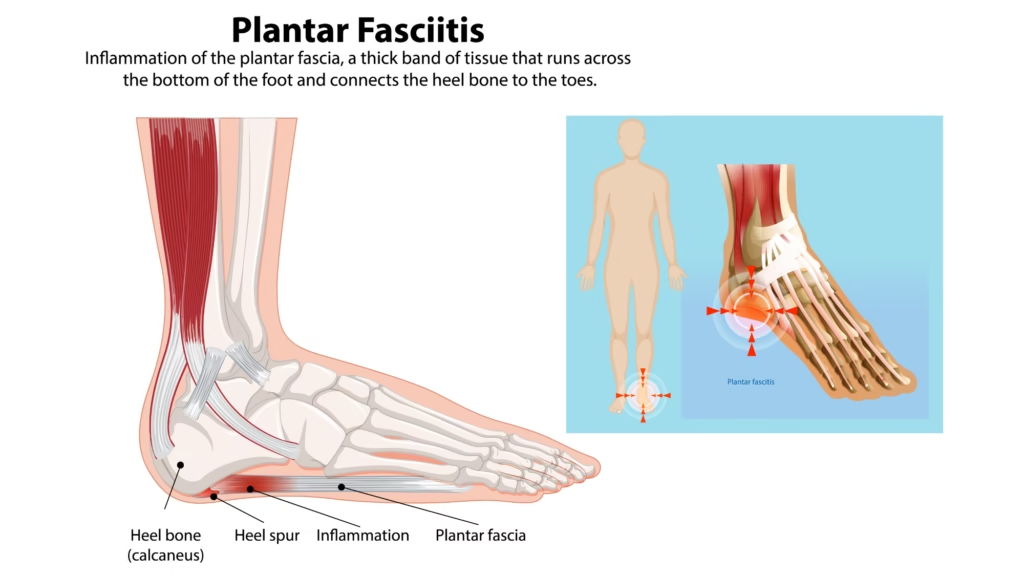
If your first steps in the morning feel like a sharp heel ache, you may be experiencing plantar fasciitis one of the most common causes of heel pain in adults. This condition happens when the plantar fascia, the thick band of tissue that supports your arch, becomes irritated or overstretched.

Often triggered by repeated stress, improper footwear, or poor arch support, plantar fasciitis can make simple daily activities like walking or standing uncomfortable. In some cases, ongoing strain may even contribute to conditions such as a calcaneal spur, sometimes called foot spurs on the heel.
Understanding what causes plantar fasciitis, how to recognize the symptoms, and why proper arch support matters is the first step toward long-term relief and prevention.
What Is Plantar Fasciitis?
Plantar fasciitis is a clinical condition characterized by inflammation or microscopic tearing of the plantar fascia, which is the thick band of connective tissue spanning from the heel bone to the base of the toes. This structure serves as a critical biological shock absorber while maintaining the structural integrity of the foot’s arch. When repetitive stress or overuse occurs, small tears can develop within the tissue, resulting in significant pain and stiffness. It stands as one of the most prevalent causes of heel ache, particularly among adults between the ages of 40 and 60.
Why Proper Arch Support Is Important
Your arch acts like a natural shock absorber.
Without proper arch support:
- The plantar fascia overstretches
- Heel pressure increases
- Walking mechanics change
- Knees, hips, and lower back compensate
Over time, this imbalance can worsen plantar fascia strain and lead to chronic heel ache.
Good arch support helps:
- Distribute body weight evenly
- Reduce tension on the plantar fascia
- Improve walking alignment
- Prevent further inflammation
How Customized Insoles Affect Posture
Customized insoles align the feet to stabilize the entire kinetic chain, reducing pressure on ankles, knees, and the lower back while relieving strain on theplantar fascia. When the foot is properly supported, strain on the plantar fascia and surrounding joints decreases significantly.

Types of Arch Support
Matching arch type to proper support is critical for long-term relief.
1. Low Arch (Flat Feet)
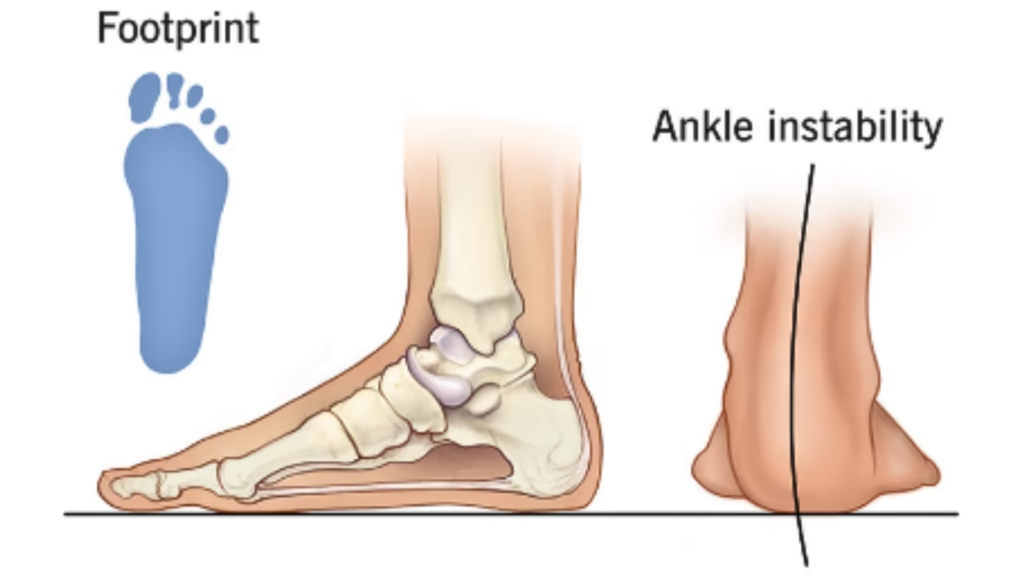
Low arches cause the foot to roll inward (overpronation), misaligning the body and increasing the risk of plantar fasciitis, shin splints, and knee pain.
(2. Neutral (Typical Arch)
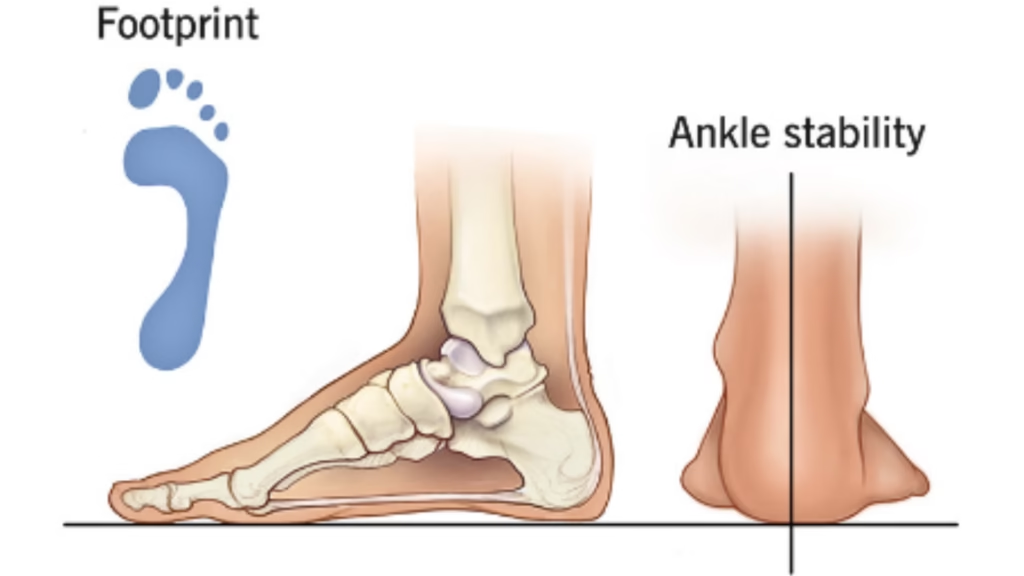
Neutral arches provide balanced weight distribution and thrive with moderate, contoured support to maintain natural alignment and prevent fatigue.
3. High Archral (Typical Arch)
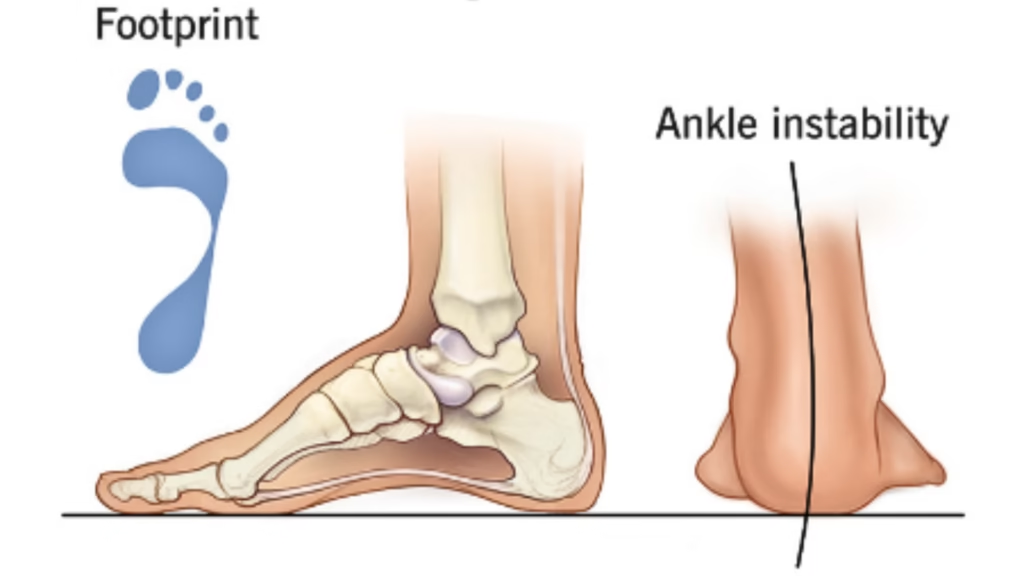
High arches suffer from poor shock absorption and increased heel pressure, raising the risk of persistent heel aches and calcaneal spur formation.
Signs You May Need Arch Support
You may need structured arch support if you experience persistent morning heel ache, pain after standing for long periods, or a noticeable tightness in the sole of your foot. These symptoms, along with recurring plantar fasciitis flare-ups, often indicate that your arches are overstressed.
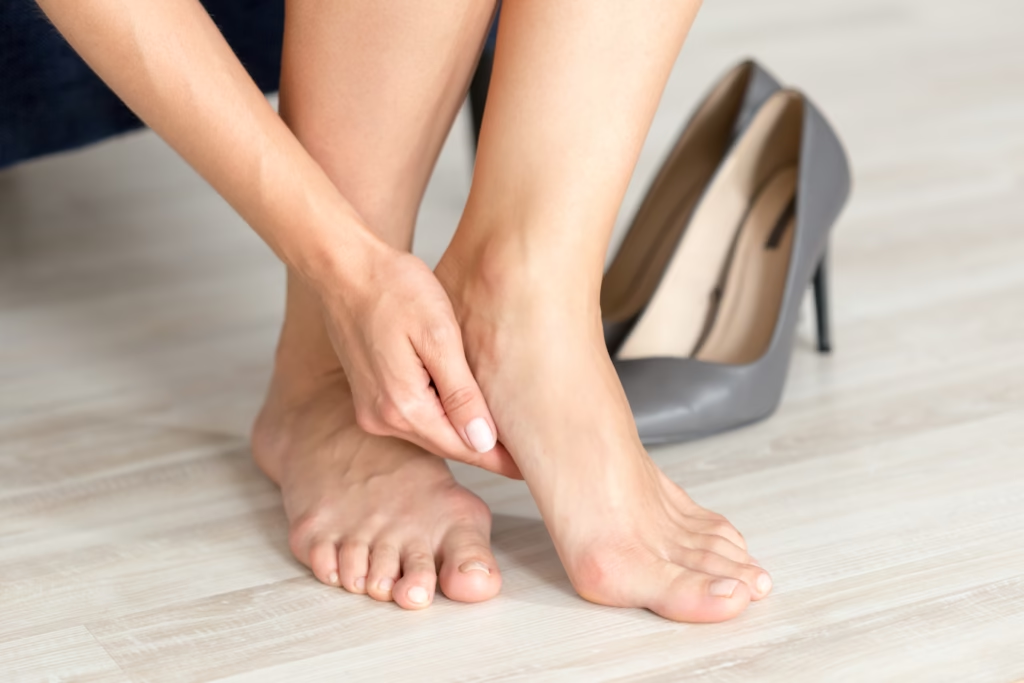
Physical signs like visible flattening of the foot or uneven wear on your shoe soles further suggest that your natural alignment requires stabilization to properly redistribute pressure and prevent chronic inflammation. Ignoring these signs increases risk of chronic inflammation and heel spurs.
Common Myths About Arch Support
Myth 1: Heel pain will go away on its own – while mild cases improve, untreated plantar fasciitis can become chronic.
Myth 2: All insoles are the same – Generic insoles often lack proper arch contour and heel stabilization.
Myth 3: Heel spurs are always the cause of pain – Many people with foot spurs on heel have no pain at all. The real issue is often plantar fascia strain.
Myth 4: Rest alone is enough – Without correcting mechanical stress, symptoms usually return.
When to See a Foot Specialist
Consult a podiatrist or orthopedic specialist if:
- Pain lasts more than 2–3 weeks
- You notice swelling or redness
- Heel ache worsens instead of improving
- Pain affects your mobility
Early diagnosis prevents complications like chronic plantar fasciitis or calcaneal spur development.
Proper footwear and structured arch support play a key role in managing plantar fasciitis.
At Fixifoot, customized insoles are designed to match individual arch types and walking mechanics, helping reduce plantar fascia strain and heel pressure. While insoles are not a cure, proper biomechanical support can significantly improve comfort and recovery when combined with stretching and medical guidance.
If you’re experiencing persistent heel ache, consider evaluating your arch support as part of your treatment plan.
Don’t let foot pain hold you back visit Fixifoot today and let us help you find the perfectly fitted insoles your feet truly deserve, before the discomfort gets worse.
.png)