
Flatfoot Relief: Best Ways to Use Flat Foot Arch Support
Do You Struggle with Foot Pain, Poor Balance, or Posture Issues?
Flatfoot (also known as fallen arches) can cause chronic foot pain, fatigue, and even knee and lower back problems due to improper alignment. Without proper arch support, every step puts excess strain on your feet, leading to discomfort that affects your daily life.
The good news? Fixifoot’s custom insoles provide targeted arch support to restore balance, stability, and long-term relief, helping you walk pain-free.
What Exactly are Flatfoot?
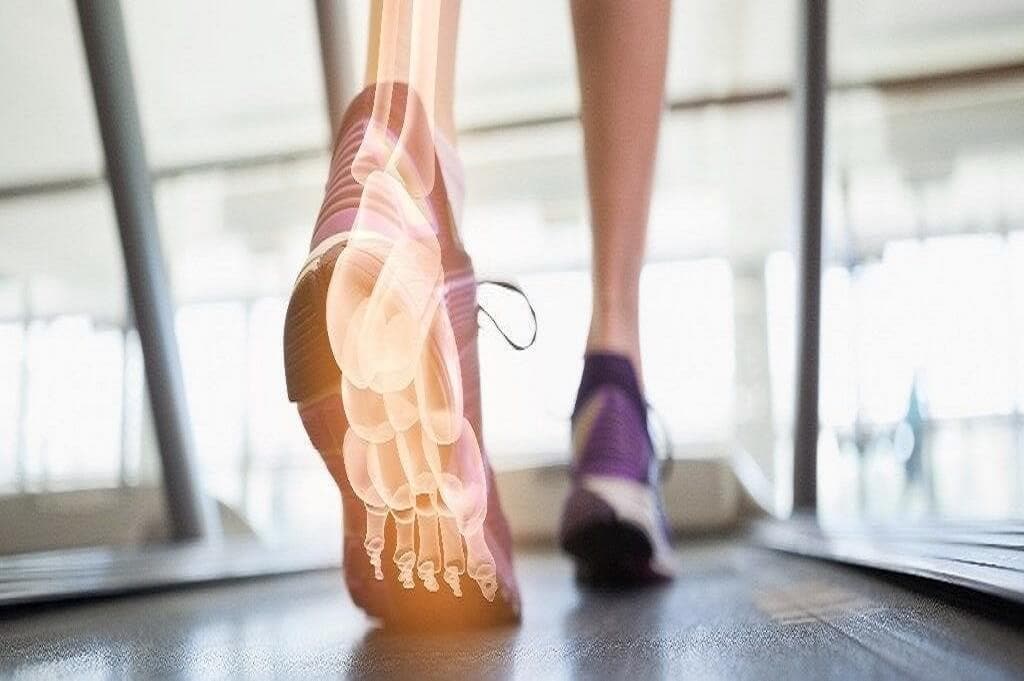
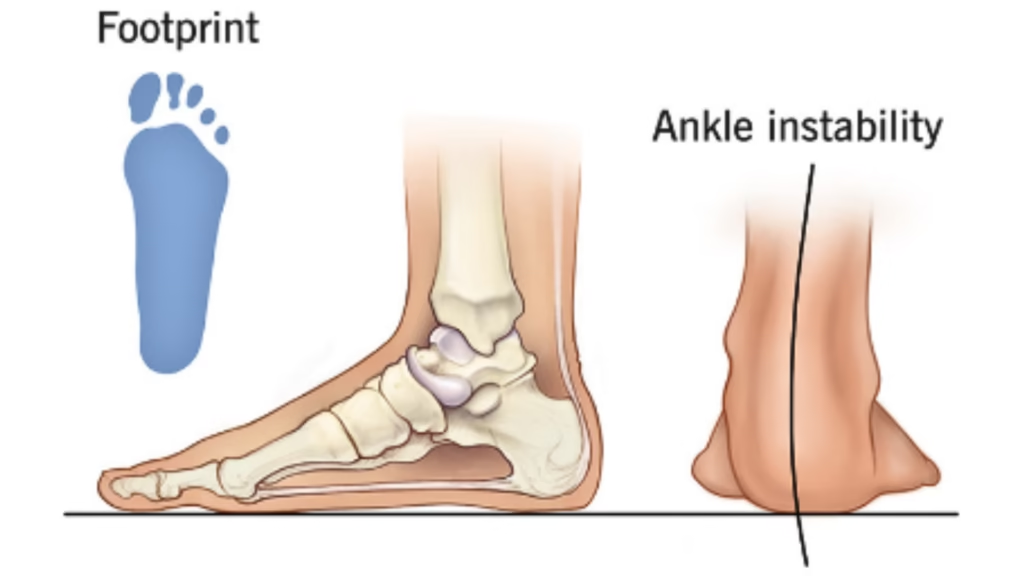
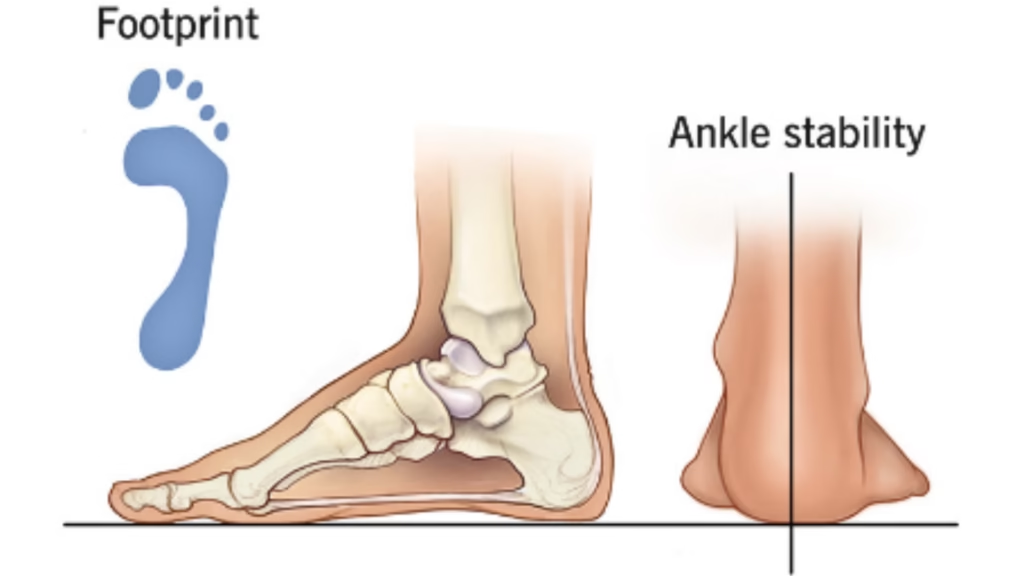
In a “standard” foot, an upward curve (the arch) is present in the middle of the sole. This arch acts as a natural shock absorber, distributing body weight across the feet and legs. When you have flatfoot, this arch is either very low or nonexistent, causing the entire sole of your foot to touch the floor when standing.
In a ‘standard’ foot, an upward curve (the arch) is present in the middle of the sole. According to the Mayo Clinic, flatfeet occur when the arches on the inside of your feet flatten, allowing the entire soles of your feet to touch the floor when you stand up
Common Causes
- Genetics: Many people simply inherit a low arch profile.
- Posterior Tibial Tendon Dysfunction (PTTD): Damage to the tendon that supports the arch.
- Aging and Wear: Over time, the ligaments in the foot can stretch and weaken.
- Injury: Fractures or dislocations can alter the foot’s structure.
FLATFOOTED
NORMAL FOOTED
How Flatfoot Affect Your Body
While some people with flatfeet experience no symptoms, others deal with a “chain reaction” of discomfort. Because the foundation of your body is misaligned, it can lead to:
- Overpronation: The foot rolls inward excessively, putting stress on the ankles.
- Leg and Back Pain: Misalignment at the base can lead to “referred pain” in the knees, hips, and lower back.
- Quick Fatigue: Your muscles have to work harder to stabilize your gait, leading to foot exhaustion after short walks.
Managing Discomfort: The Role of Support
The goal of managing flatfoot isn’t necessarily to “create” an arch where one doesn’t exist, but to provide the structural integrity the foot lacks. This is where mechanical support becomes essential.
The Importance of Flatfoot Arch Support
Quality flat foot arch support helps redistribute pressure. By filling the gap between the floor and your midfoot, these supports prevent the foot from collapsing inward, which aligns the ankles and knees.
Choosing Flatfoot Insoles
Not all inserts are created equal. When looking for flatfoot insoles, consider these three factors:
- Firmness: Soft foam may feel good initially, but firm support is better for long-term alignment.
- Heel Cup: A deep heel cup helps stabilize the foot and prevents the “rolling” motion of overpronation.
- Proper Sizing: The support should match the length of your arch, not just your shoe size.
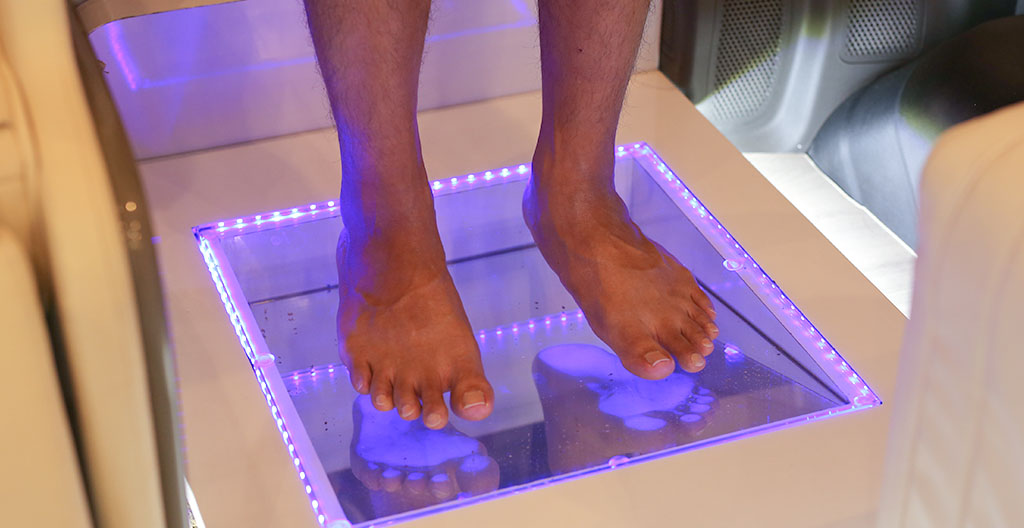
Practical Tips for Daily Relief
Beyond using flatfoot arch support insoles, you can incorporate these habits into your routine:
- Foot Exercises: Strengthening the intrinsic muscles of the foot through “towel curls” or picking up marbles with your toes.
- Appropriate Footwear: Avoid flat-soled shoes like flip-flops or thin sneakers for long walks. Look for shoes with built-in stability features.
- Weight Management: Reducing the load on your arches can significantly decrease daily pain.
Finding the Right Fit for Your Lifestyle
If you find that standard shoes aren’t providing the relief you need, specialized flatfoot arch support insoles are a cost-effective way to upgrade your existing footwear.
At Fixifoot, we specialize in ergonomic solutions designed for those who spend long hours on their feet. Our range of flat foot insoles is engineered to provide the rigid support necessary to combat overpronation while maintaining enough cushion for all-day comfort. Don’t let flatfeet hold you back from your favorite activities sometimes, the right foundation is all you need.
.png)