Understanding Overpronation: What It Is and How Insoles Can Help
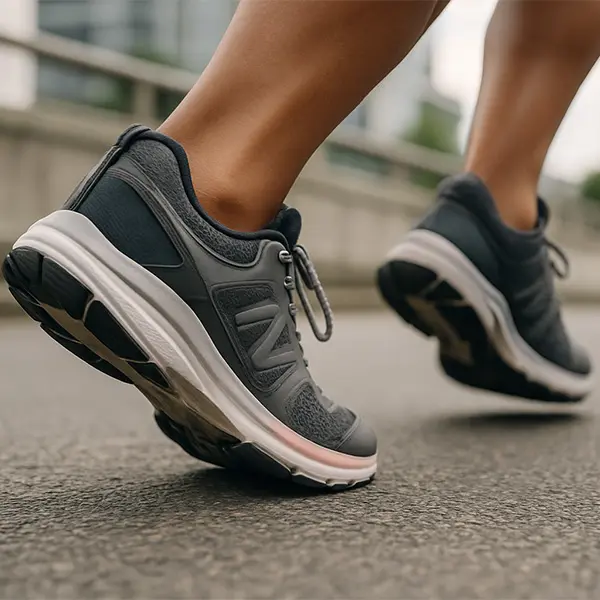
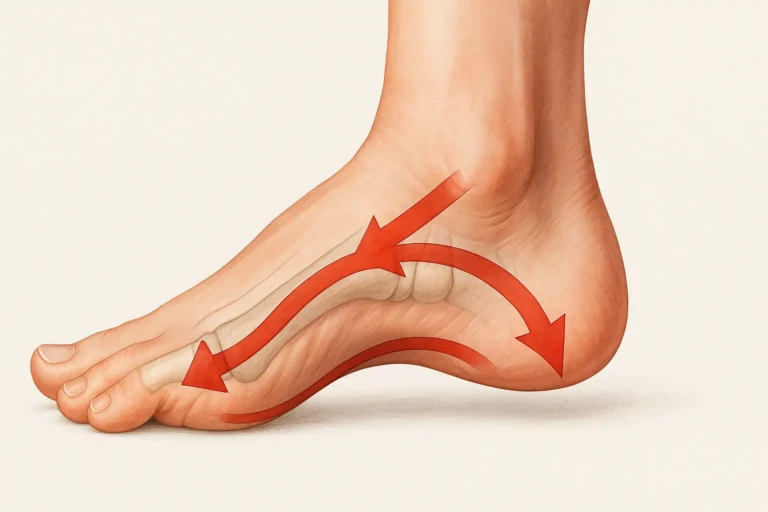
Do your feet hurt when they roll inward as you walk or run? That extra inward motion—overpronation—puts stress on your arches, heels, and even your knees and back.
In this article, we’ll explain what overpronation is, how it impacts your body, and how custom orthotic insoles are designed to support healthier foot alignment and relieve related discomfort.
What Is Overpronation?
Think of it like this: Imagine the suspension of a car being slightly off. Over time, that small imbalance causes uneven tire wear and stress in other parts of the car. Your feet are your body’s suspension system—when they’re out of balance, the effects can ripple upward.
How to Tell If You Overpronate
Wondering if you have overpronation? Here are a few signs to look out for:

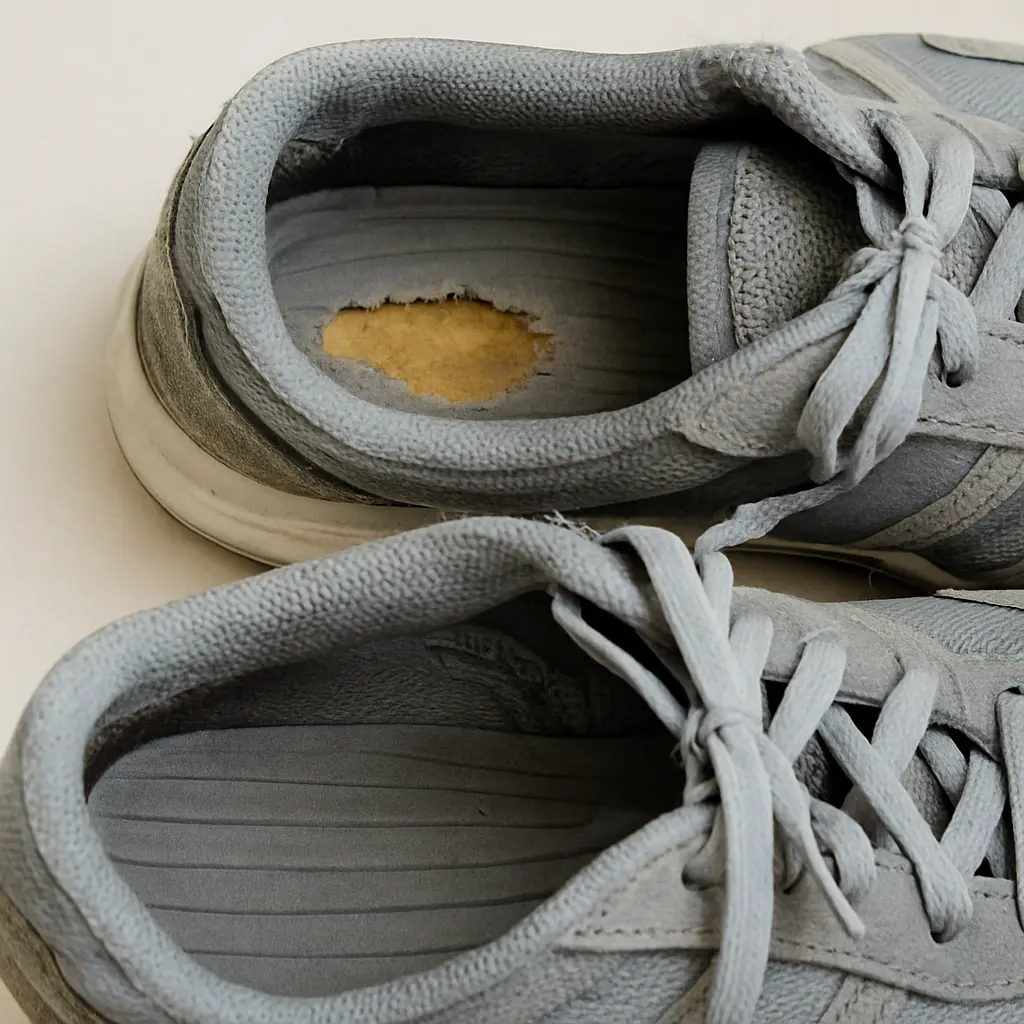
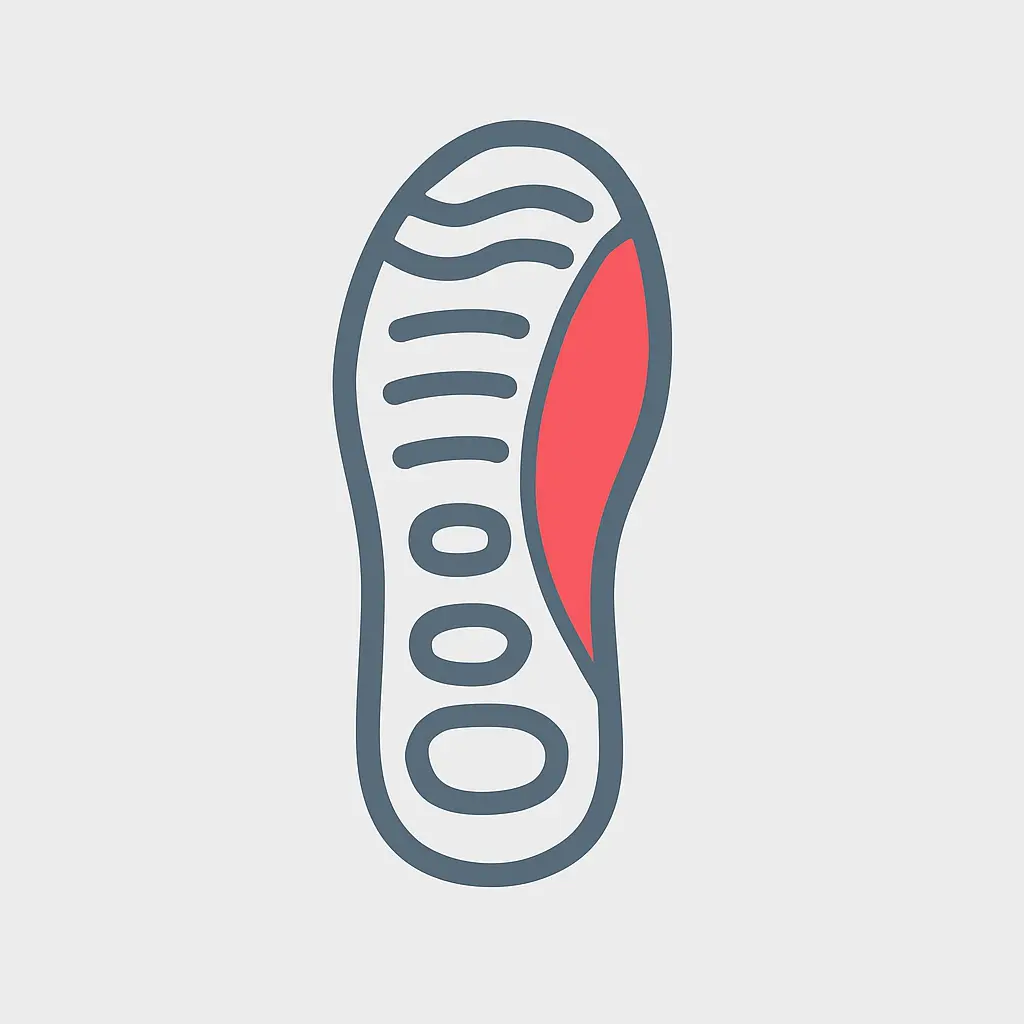
Worn-out shoes
Check the soles of your shoes. If the inner edge (near the arch) is more worn than the outer edge, it may indicate overpronation.
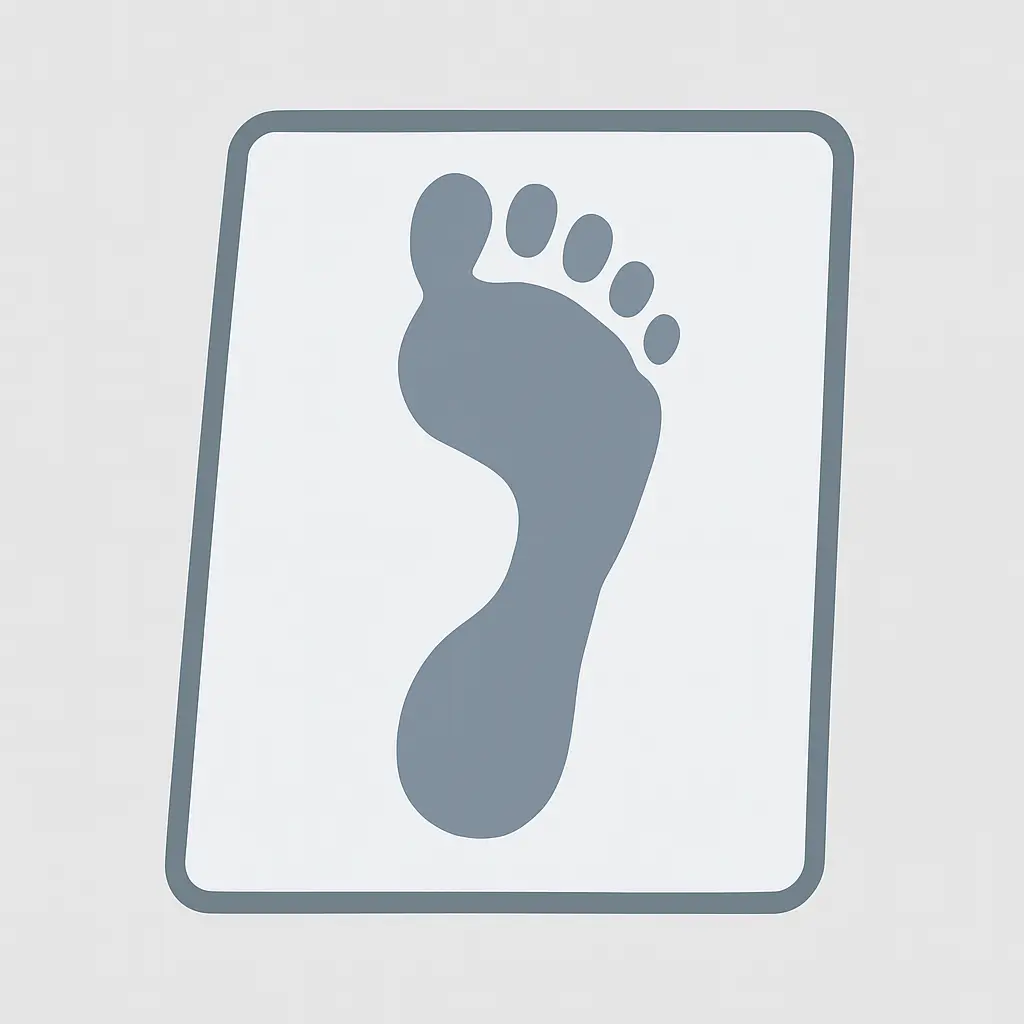
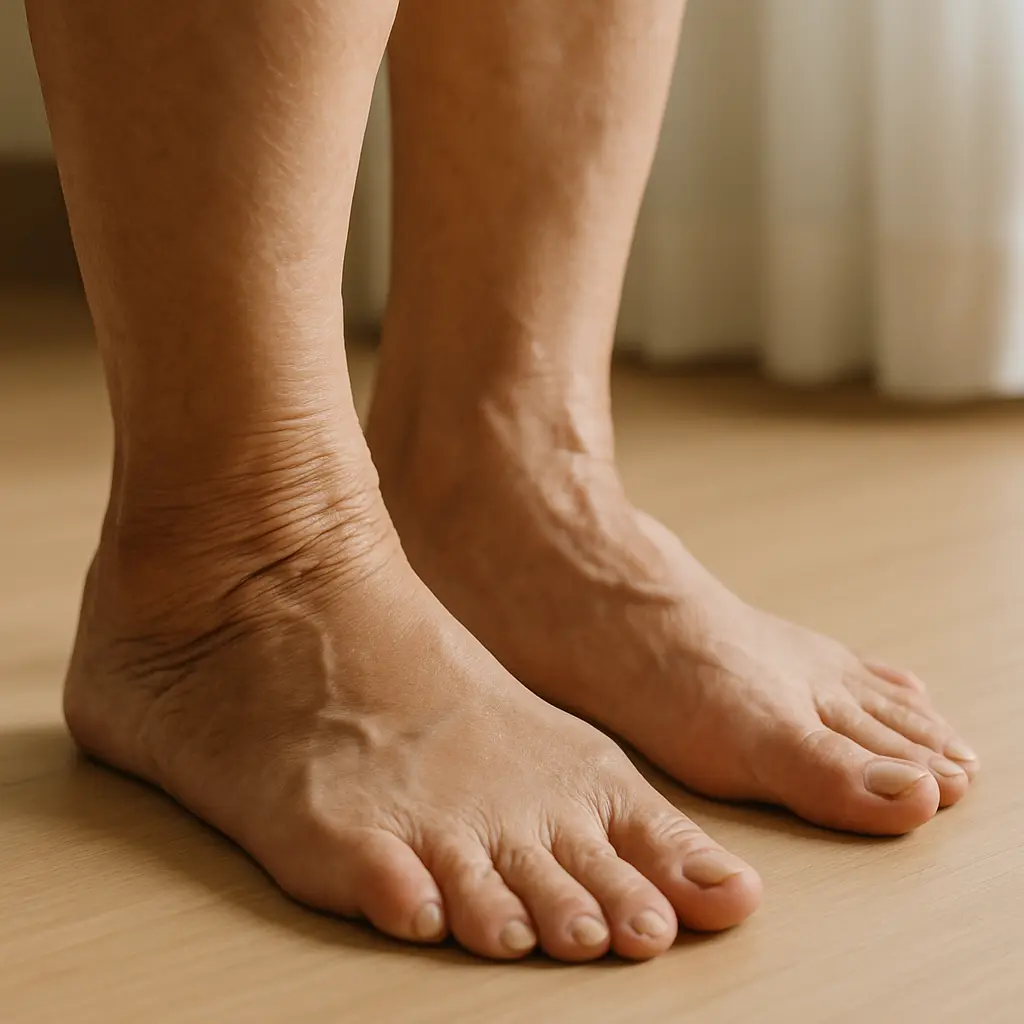
Flat arches
People with low or collapsed arches are more likely to overpronate.
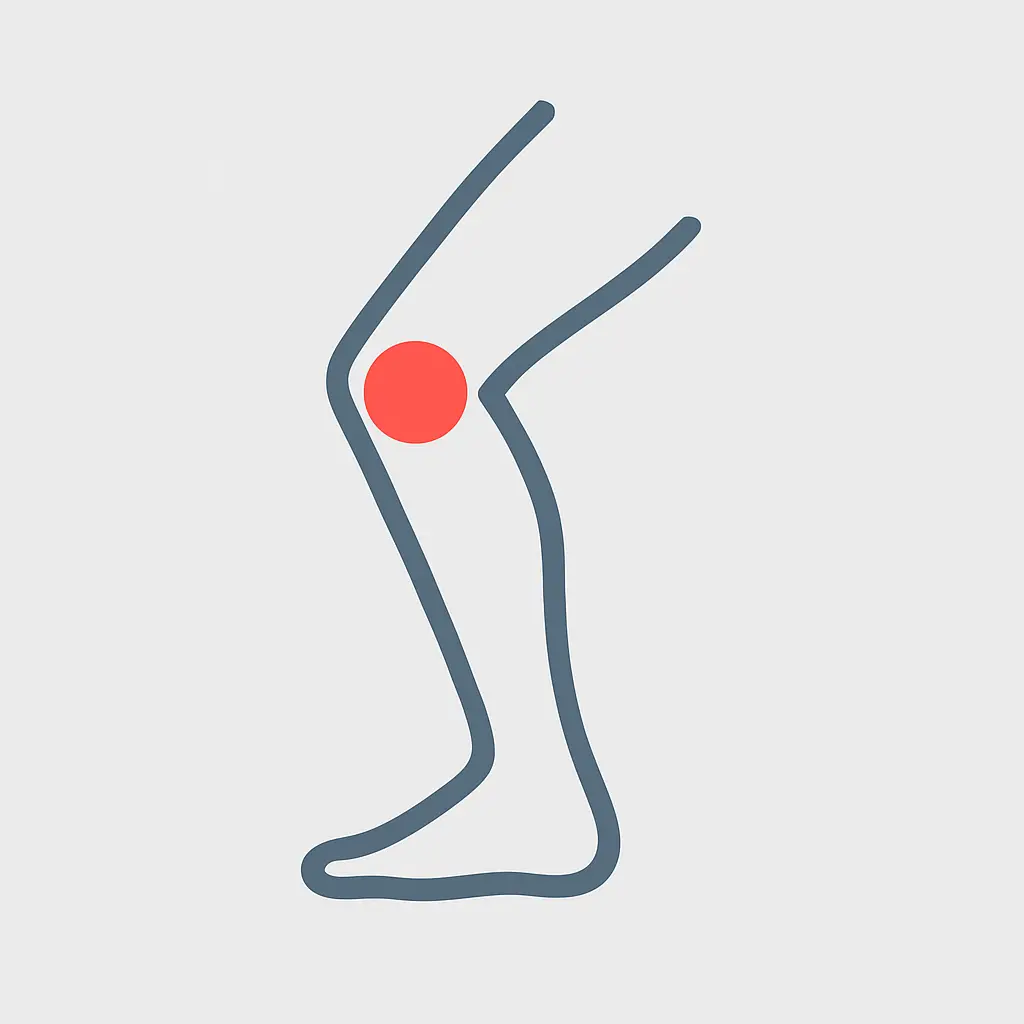
Foot and leg discomfort
Chronic arch pain, heel pain (especially in the morning), shin splints, or knee discomfort may be linked to poor foot alignment.
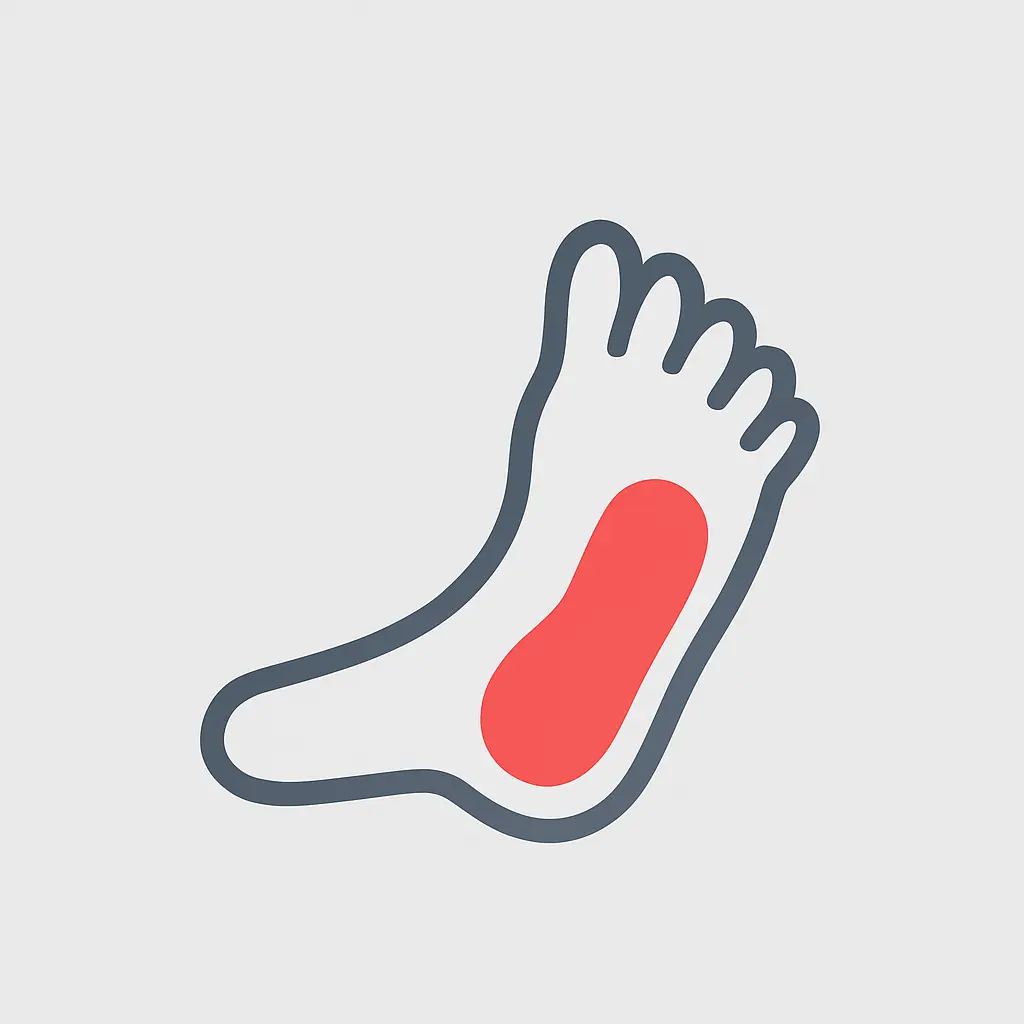
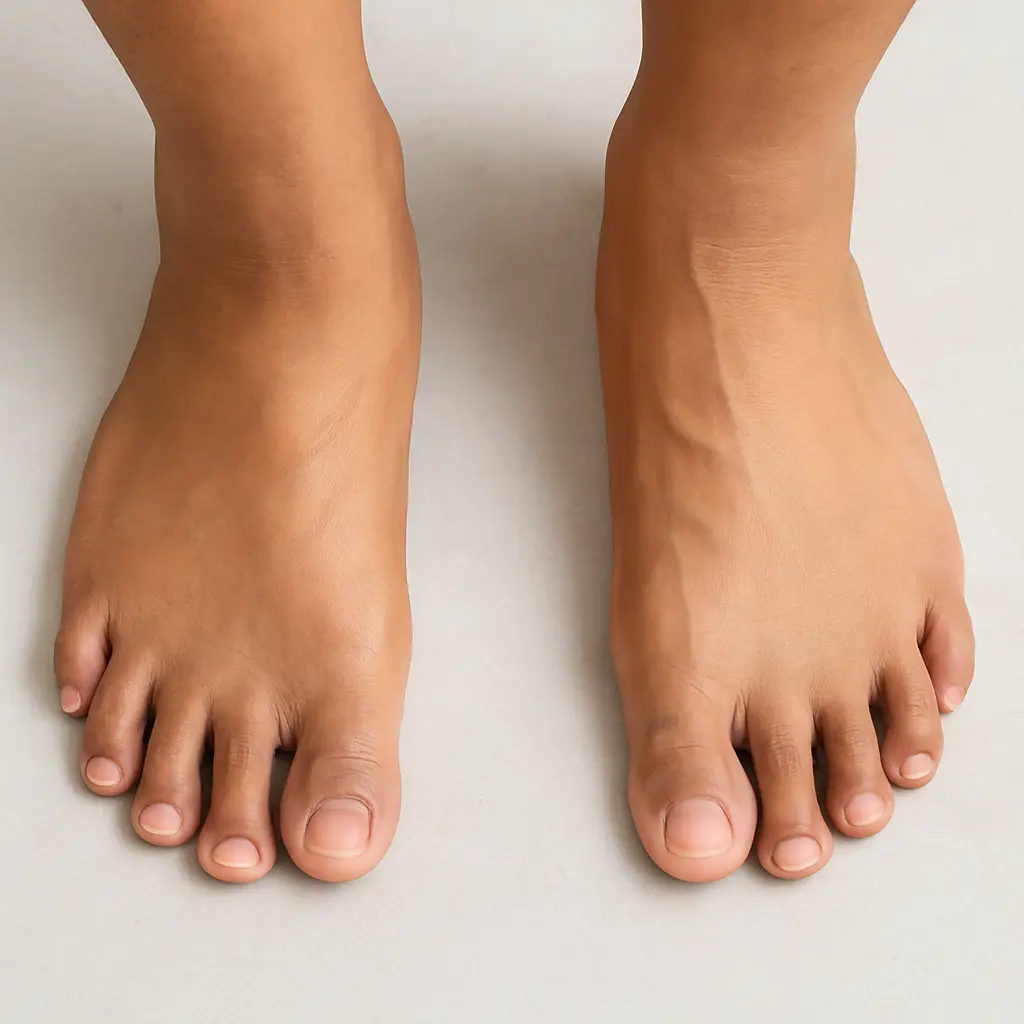
Footprint test
Wet your feet and step on a flat surface. If your footprint shows nearly the whole sole without a visible inward curve, this may indicate low arches and overpronation.
What Causes Overpronation?
Overpronation can result from several factors:
- Genetics: You may naturally have flat feet or flexible arches.
- Improper footwear: Wearing unsupportive or worn-out shoes can worsen pronation.
- Weight gain: Extra body weight can put pressure on the arches, flattening them over time.
- High-impact activities: Running and walking on hard surfaces without support can lead to arch collapse.
- Aging: Over time, the ligaments and tendons supporting the arches may weaken.
The Ripple Effect: How Overpronation Affects the Body
When your feet roll inward too much, your ankles may also turn inward, throwing off the alignment of your legs and hips. This shift in posture can lead to:
- Heel pain and plantar fasciitis
- Arch collapse and instability
- Knee pain due to misaligned tracking
- Hip or lower back pain from poor posture and gait mechanics
Over time, these imbalances can lead to chronic discomfort and increase your risk of injury, especially if you live an active lifestyle.
How Fixifoot Insoles Help with Overpronation
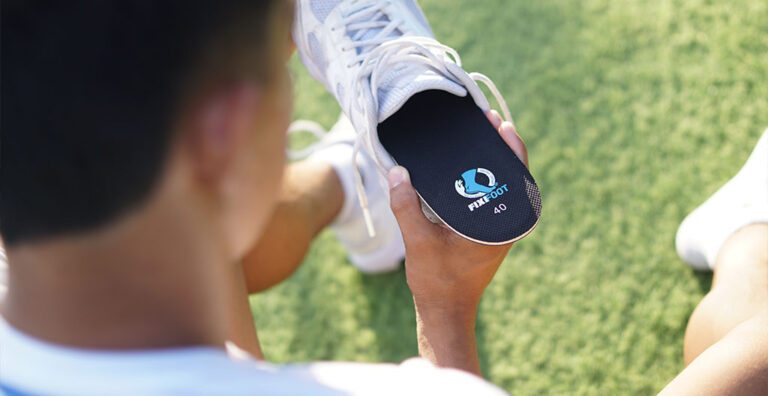
Fixifoot custom orthotic insoles are designed specifically to address biomechanical issues like overpronation. Here’s how they work:
Targeted Arch Support
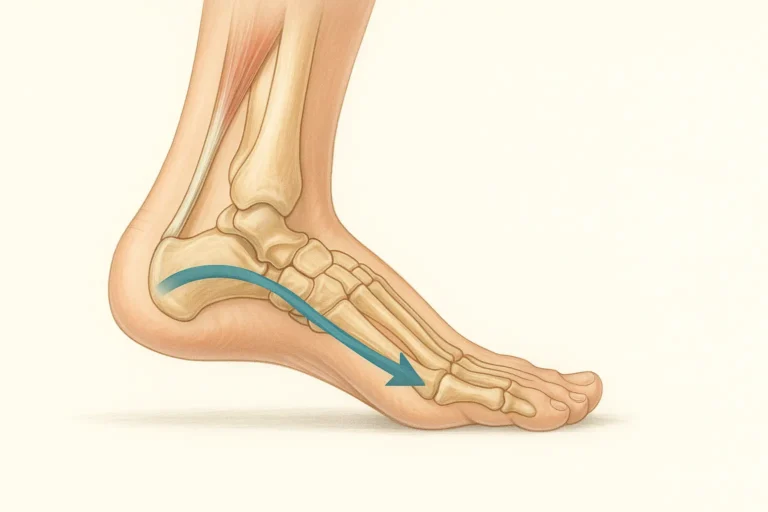
Fixifoot insoles provide firm yet comfortable support under the arch to help prevent it from collapsing inward during movement.
Corrective Alignment
Each insole is shaped to guide the foot into a more neutral position, promoting better posture and reducing unnecessary stress on the knees, hips, and back.
Stability and Shock Absorption
The base of the insole offers structured stability while absorbing shock from each step—important for people who walk or stand all day.
Custom Fit
Fixifoot uses foot scanning and assessment to create a solution tailored to your foot type, ensuring you get the support exactly where you need it.
Benefits of Using Fixifoot Insoles for Overpronation
People with overpronation often experience significant relief after using properly designed insoles. benefits include:
- Relief from arch and heel pain
- Reduced strain on the knees and lower back
- Improved balance and stability
- Enhanced comfort during daily activities or exercise
- A decreased risk of developing conditions like plantar fasciitis, shin splints, and joint pain
By improving your foot mechanics, Fixifoot helps you move better—step by step.

Pain Relief
Supports natural foot posture to help reduce arch, heel, and joint discomfort.
Improved Stability
Guides proper alignment to enhance balance and reduce strain from the ground up.
Better Movement
Encourages smoother, more efficient steps for daily comfort and mobility.

Other Tips for Managing Overpronation
- Stretch your calves and arches regularly
- Strengthen foot muscles with toe curls or resistance band exercises
- Wear supportive footwear with firm midsoles and low heels
- Replace worn shoes regularly
- Consult a specialist for a full gait or posture assessment if needed